
You vacuum every week and are quick to blot up spills, but over time, your carpet still looks… tired. The high-traffic areas are a little darker, and there’s a faint mystery smell you can’t quite place. Bringing it back to life means choosing the right path: quick spot treatment, a DIY rental machine, or calling in a professional. The “right” choice depends on whether you’re fighting a fresh coffee spill or years of built-up dirt. This guide will help you tackle stains, decide when a rental is enough, and hire a reputable service confidently.

How to Blot, Not Rub, a Spill
When a spill happens, your first instinct is to scrub. Resist that urge! The single most important rule is to blot a stain with a clean, dry cloth. Rubbing only grinds the spill deeper into the carpet fibers and can damage them, turning a small spot into a permanent problem. Blotting, on the other hand, lifts the liquid straight up and out, containing the mess before it spreads.
After blotting up as much as you can, switch to a fresh white cloth dampened with a little cold water. Using a white cloth is critical because colored towels can bleed their dye onto the carpet, creating a second, more difficult stain. Cold water is your safest bet, as hot water can permanently “cook” protein-based stains like milk or mud into the fibers.
This first-aid method is fantastic for an emergency, but it won’t reverse deep, set-in grime. For the dinginess in high-traffic hallways or stubborn old spots, you need more power. This brings you to a key decision: is it better to rent a machine, or is it time to call in a professional?
DIY vs. Pro: Which Carpet Cleaning Route Is Right for You?
Deciding between renting a machine and hiring a professional comes down to one question: are you fighting surface-level dirt or deep-down soil? A rental machine is great for tackling the visible grime that builds up over a few months—the stuff your vacuum leaves behind. But for the compacted dirt, allergens, and set-in oils that make a carpet look old and tired, you often need more power. This is the core trade-off: a lower-cost refresh versus a more expensive, restorative deep clean.
This simple breakdown can help:
- Consider Renting If: You’re doing a seasonal refresh on a lightly soiled carpet, need a budget-friendly clean before moving out, or want to brighten up general dinginess in low-traffic areas.
- Hire a Professional If: You have set-in pet stains, medium to heavy soil damage, or delicate wool carpets. A pro can choose the best method, from powerful hot water extraction (often called steam cleaning) to specialized dry carpet treatment for faster drying.
While the upfront professional cost is higher, the superior equipment removes far more soil, which can extend your carpet’s life and keep it looking fresh longer. If you’ve decided a rental is the right fit for now, it’s crucial to use it correctly to avoid common pitfalls.
Your Guide to Renting a Carpet Cleaner (and Avoiding a Soggy Mess)
Once you get the rental machine home, resist the urge to use extra soap. More suds don’t equal more clean; leftover soap residue becomes a sticky magnet for future dirt, making your hard work disappear faster. The best approach is often just using less—try half the recommended amount of shampoo solution. This one change helps your carpet stay cleaner for much longer.
Your most important step for drying the carpet comes next. After each cleaning pass, go over the same strip again without spraying solution. This ‘dry pass’ lets the machine’s vacuum pull up excess dirty water, slashing drying time and preventing a damp, musty smell from developing. It’s the single best trick to avoid an overly wet carpet.
As the carpet dries, you may see flat or stiff sections. This is temporary matting from the weight of the water. To fix matted carpet after cleaning, wait until it’s almost dry, then do a thorough vacuuming to lift the fibers right back up. A soft brush can help fluff any stubborn spots to restore that soft texture.
Decoding the Pros: Hot Water Extraction vs. Other Methods
When a rental machine won’t cut it, professionals use the hot water extraction method, which you’ve probably heard called “steam cleaning.” Despite the name, it doesn’t actually use steam. Instead, a powerful machine injects hot water and a cleaning solution deep into the carpet fibers, and a high-powered vacuum immediately sucks the dirty water and allergens back out. Think of it as a deep, flushing rinse for your entire carpet, making it the top choice for a truly restorative clean.
On the other end of the spectrum is a process often called “dry cleaning,” or encapsulation. With this technique, a technician brushes a special polymer compound into the carpet that forms microscopic crystals around dirt particles as it dries. A thorough post-treatment vacuuming then lifts the crystals—and the trapped dirt—right out of the carpet. The major benefit here is the incredibly fast drying time, often under an hour.
For homes with pets, allergies, or significant, set-in soil, hot water extraction is almost always the answer, and many companies offer eco-friendly solutions for this process. Encapsulation is better for quick maintenance cleans where you can’t afford long downtimes.
The Toughest Challenge: How Pros Conquer Pet Urine Odor for Good
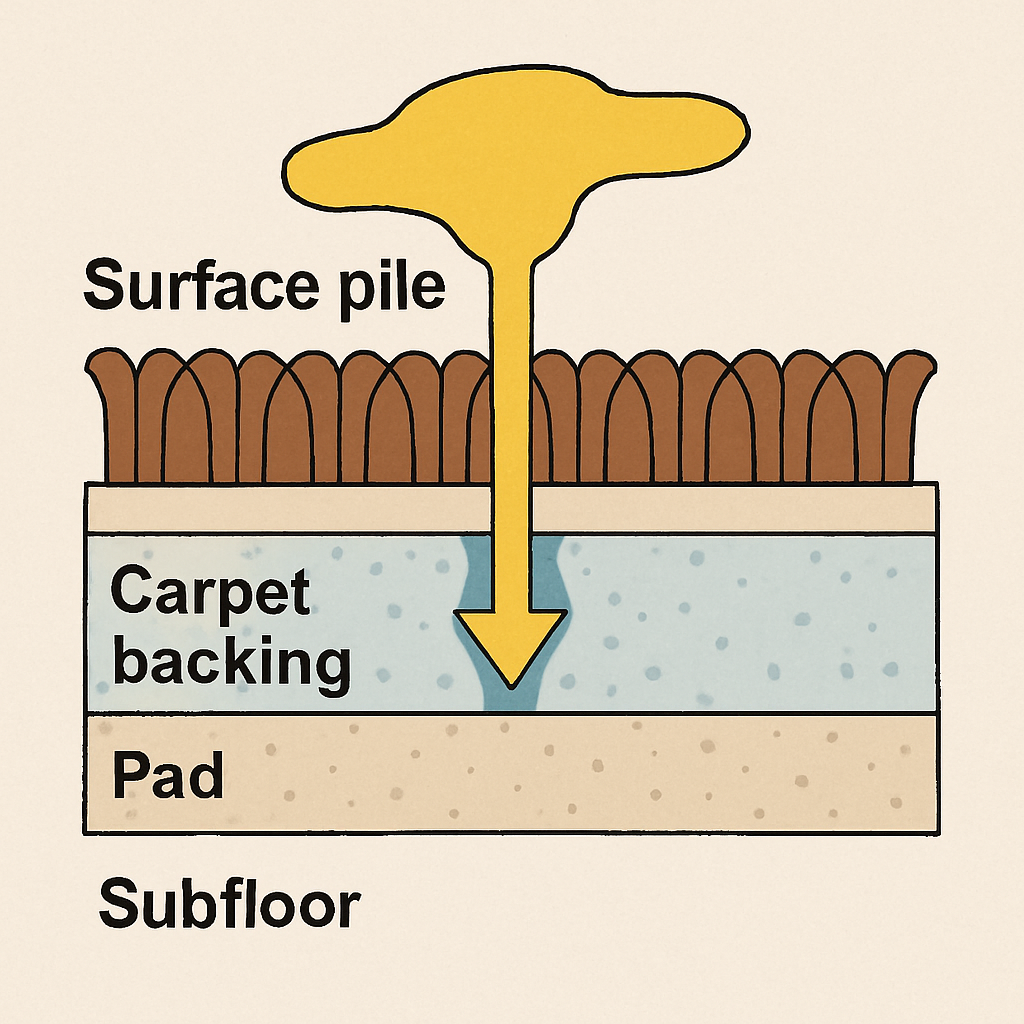
Anyone with a pet knows the frustration: you clean a urine spot, but the odor returns on the first humid day. This happens because liquid doesn’t just stain the carpet fibers; it soaks through into the carpet pad below. As it dries, it forms stubborn urine crystals that reactivate with moisture, releasing that familiar smell all over again. This is why a simple surface clean often fails.
This is also why most store-bought cleaners only mask the problem. The best solution isn’t a soap, but an enzymatic cleaner. These professional-grade products use active enzymes to break down and literally “digest” the odor-causing bacteria in the urine crystals, destroying the source of the smell instead of just covering it. It’s a science-based approach to a biological problem.
For this to work, the enzymatic cleaner must reach those deeply embedded crystals. Professionals use a targeted pre-treatment, carefully saturating the spot so the solution soaks deep into the pad to the real source of the problem. Finally, pros use sub-surface extraction. With a specialized tool, they flush water through both the carpet and the pad, using intense, concentrated suction to pull the neutralized residue out from the very bottom. This extra step is the crucial final key to ensuring the odor is gone for good.
What’s a Fair Price? Budgeting for Professional Carpet Cleaning
When you start looking for a service, you’ll notice two main pricing models: per-room and per-square-foot. Most residential companies charge per-room, often with a two or three-room minimum. Per-square-foot pricing is less common for homes but is sometimes used for oversized rooms or commercial spaces. Always clarify which model a company uses when you request a quote.
While rates vary by region, a reasonable cost is typically between $40 and $75 per standard room. This gives you a helpful baseline. Be skeptical of deals that seem too good to be true, like “$10 per room” specials, as these are often bait-and-switch tactics that lead to aggressive upselling once the technicians are in your home.
Beyond the basic rate, some services legitimately cost extra. The intensive pet urine treatment we just discussed is a common upcharge because it requires more time and specialized enzymatic solutions. Other valid add-ons include cleaning stairs (which are more labor-intensive) or applying a protective stain-guard finish. A trustworthy pro will always be transparent about these potential costs upfront.
5 Questions to Ask Before You Hire Any Carpet Cleaner
With a budget in mind, choosing the right service is about more than price—it’s about trust. Asking the right questions is the best way to vet professionals, avoid bad experiences, and ensure you get a quality clean without hidden fees. When you call for a quote, run through this simple checklist:
- What cleaning method do you use?
- Is the price you quoted all-inclusive, or are there potential charges for pre-treatment or tough stains?
- Are you insured and bonded?
- What is the expected drying time?
- Do you offer a satisfaction guarantee if I’m not happy with the results?
While all these questions are important, pay special attention to pricing and insurance. Getting a firm price commitment is your best defense against the “bait-and-switch” tactic, where a low advertised price suddenly doubles upon arrival. And a “yes” to being insured and bonded is non-negotiable—it means you are protected if a technician accidentally damages your property.
Your Action Plan for Clean, Fresh Carpets
You are now equipped with a clear roadmap to assess any carpet issue. You can confidently choose between a quick fix and a deep clean, and you know what to ask a professional to get great value.
For long-term success, the most powerful action is proactive care. Industry experts recommend a professional hot water extraction every 12 to 18 months to protect your investment, maintain your carpet’s appearance, and ensure a healthy home.
With this knowledge, you can manage your carpets with confidence, extending their life and beauty. From the smallest spot to a full-home refresh, you are fully equipped to handle whatever your floors throw at you.
For a professional cleaning call (916) 802-6022 or use our online scheduler to book your next cleaning service.